
Contents
Overview
The history of night braces dates back to the early 20th century, when dentists first began using custom-made devices to treat teeth grinding. Since then, night braces have evolved significantly, with advancements in materials and technology leading to more comfortable and effective designs.
How It Works
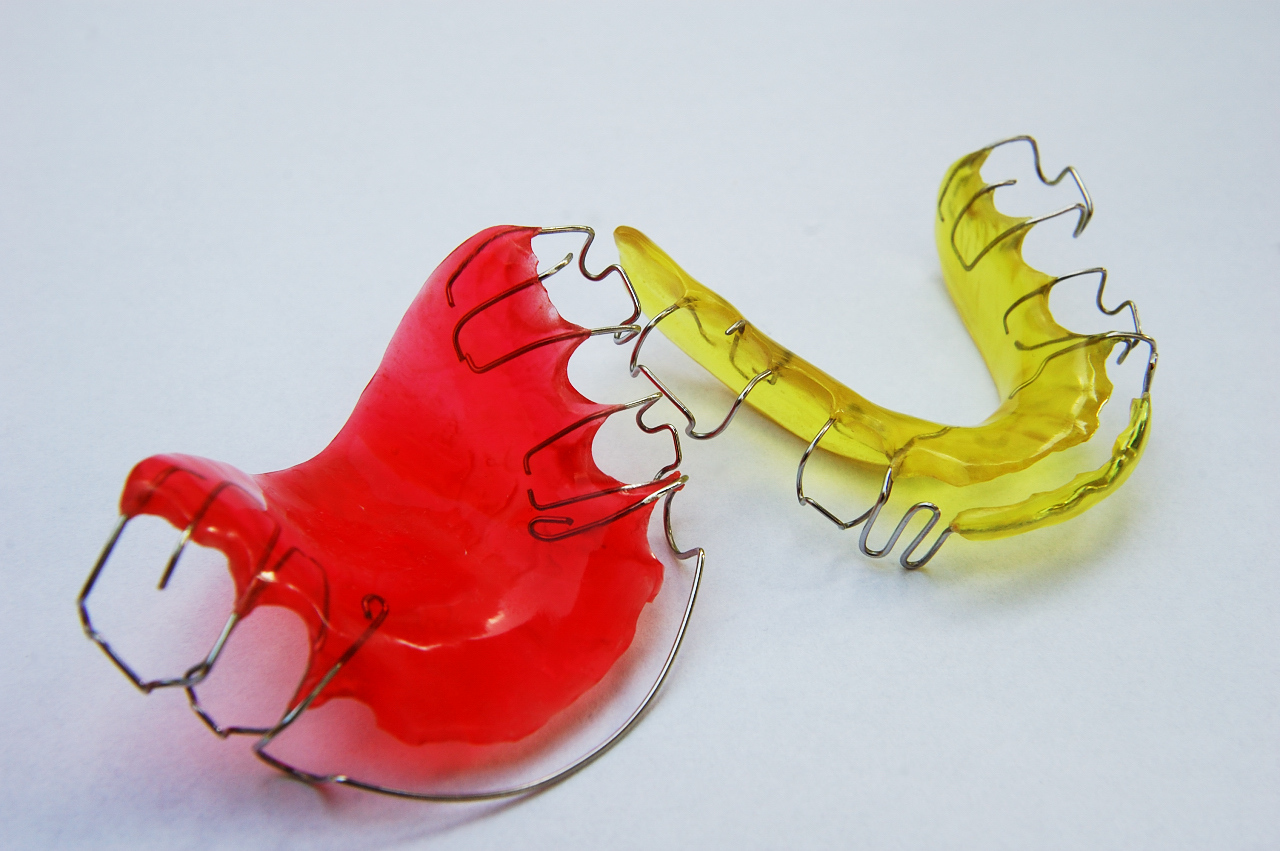
Night braces work by creating a barrier between the upper and lower teeth, preventing grinding and clenching during sleep. They are typically made of a soft, flexible material that is custom-fitted to the individual's teeth. The device is designed to be worn at night, and it can be adjusted to fit the individual's bite.
Key Facts & Numbers
Key facts and numbers surrounding night braces include the fact that they are a cost-effective solution, with no surgery or medication required. According to some sources, night braces can be an effective treatment option for bruxism.
Key People & Organizations
Key people and organizations involved in the development and promotion of night braces include dentists and orthodontists who specialize in treating teeth grinding and other conditions. Organizations such as dental associations also play a crucial role in promoting the use of night braces as a treatment option.
Cultural Impact & Influence
Night braces have had a cultural impact, with many people using them as a symbol of oral health and wellness. They have also been featured in various media outlets, including TV shows and movies, as a way to promote awareness about teeth grinding and its treatment.
Current State & Latest Developments
The current state of night braces is one of rapid growth and development, with new technologies and materials being introduced to the market. The COVID-19 pandemic has highlighted the importance of oral health, with many people seeking out night braces as a way to alleviate stress and anxiety-related teeth grinding.
Controversies & Debates
Controversies and debates surrounding night braces include the issue of cost, with some insurance companies not covering the full cost of the device. There is also debate about the effectiveness of night braces, with some studies suggesting that they may not be as effective as other treatment options.
Future Outlook & Predictions
The future outlook for night braces is promising, with advancements in technology and materials expected to lead to more comfortable and effective designs. The growing awareness of oral health and wellness is also expected to drive demand for night braces.
Practical Applications
Practical applications of night braces include their use as a treatment option for teeth grinding, jaw pain, and tooth wear. They can also be used to treat other conditions, such as temporomandibular joint (TMJ) disorder. Night braces are a non-invasive and cost-effective solution, making them an attractive option for many people.
Key Facts
- Category
- night-braces-benefits
- Type
- concept